

Shutter Maintenance Tips: How to Keep Your Security Shutters in Top Condition
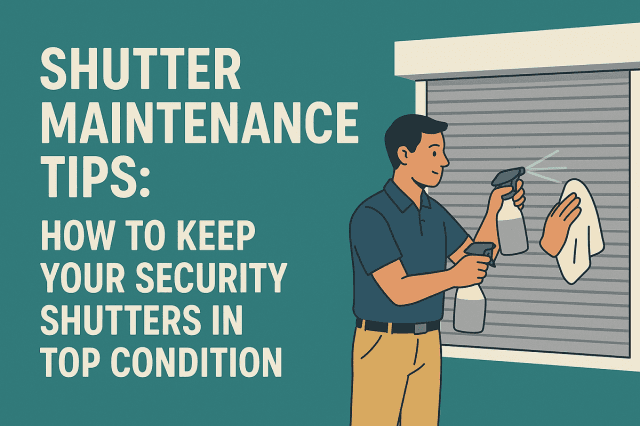
Security shutters are a crucial investment for both homes and businesses, offering protection, privacy, and peace of mind. However, to ensure your security shutters continue to function effectively and look their best, regular maintenance is essential. In this comprehensive guide, you'll discover expert shutter maintenance tips, including cleaning, lubrication, inspection, and professional servicing—everything you need to keep your security shutters in top condition and extend their lifespan.
Why Security Shutter Maintenance Matters
Regular maintenance is the key to maximising the durability and performance of your security shutters. Well-maintained shutters:
- Operate smoothly and quietly
- Provide optimal security and insulation
- Resist wear, corrosion, and mechanical failure
- Maintain their aesthetic appeal
Neglecting maintenance can lead to issues like jamming, rust, noisy operation, and even costly repairs. By following these shutter maintenance tips, you can avoid these problems and protect your investment.
1. Cleaning Security Shutters: The First Step to Longevity
Regular cleaning is the foundation of roller shutter maintenance. Dust, dirt, and debris can accumulate on the slats and in the tracks, affecting both appearance and performance.
How to clean security shutters:
- Use a soft cloth or sponge to wipe down the shutter surface, avoiding abrasive materials that could scratch the finish.
- Mix mild detergent with warm water and gently scrub away stubborn dirt or grime.
- Rinse thoroughly with clean water to remove all soap residue.
- Dry the shutters with a soft towel to prevent water spots and rust, especially for metal shutters.
Frequency: Clean your shutters at least twice a year—ideally in spring and autumn. In coastal or industrial areas, consider cleaning more often to combat salt, dust, and pollutants.
2. Lubrication: Ensuring Smooth and Quiet Operation
Lubricating moving parts is essential for smooth operation and to prevent wear and tear. Focus on guide rails, hinges, bearings, and rollers.
Lubrication tips:
- Use a silicone-based lubricant or graphite lubricant for tracks, rollers, and hinges.
- Apply lubricant sparingly—too much can attract dust and dirt, leading to clogging.
- Avoid sticky lubricants, as they can trap debris and cause operational issues.
Frequency: Lubricate every six months, or more frequently if shutters are exposed to harsh conditions or heavy use.
3. Inspection: Catching Problems Early
Regular inspection helps you spot minor issues before they become major repairs.
What to check:
- Look for signs of rust, corrosion, or paint damage—especially on exterior shutters.
- Check for loose or damaged screws, brackets, or slats.
- Listen for unusual noises during operation, which may indicate the need for lubrication or repairs.
- Ensure security locks are working properly.
Schedule: Inspect your shutters monthly for best results.
4. Addressing Wear, Rust, and Damage Promptly
If you notice rust, dents, or other damage:
- Clean the affected area thoroughly.
- Apply a rust-inhibiting primer and touch up with matching paint to prevent further corrosion.
- Replace damaged parts promptly to avoid compromising security and functionality.
For significant repairs, always consult a professional technician. Attempting DIY repairs can void warranties and may not address the root cause of the problem.
5. Keep Tracks and Guides Clear
Debris in the tracks or guides can cause shutters to jam or operate poorly. Use a vacuum or soft brush to keep these areas clear, and wipe down with a damp towel as needed.
6. Operate Shutters Gently
Avoid forcing your shutters open or closed, and never operate them if the curtain is obstructed by snow, ice, or debris. This prevents unnecessary strain on the mechanisms and reduces the risk of damage.
7. Prevent Overheating in Electric Shutters
For motorised shutters, avoid moving them up and down multiple times in quick succession, as this can overheat the motor. If overheating occurs, turn off the switch and allow the motor to cool before resuming operation.
8. Seasonal Maintenance
Perform thorough maintenance at the start of each season:
- In spring, check and lubricate all moving parts after winter.
- In autumn, clean shutters thoroughly before harsher weather sets in.
9. Professional Servicing
While many maintenance tasks can be done yourself, schedule a professional inspection at least once a year. Technicians can:
- Identify hidden issues
- Perform detailed lubrication and adjustments
- Ensure your shutters meet safety and performance standards
10. Extra Tips for Security Shutter Maintenance
- Avoid using harsh chemicals or abrasive cleaners on your shutters.
- Apply anti-rust coatings to vulnerable areas if you live in a humid or coastal environment.
- Always follow the manufacturer's maintenance guidelines to keep your warranty valid.
Conclusion
Security shutter maintenance is not just about keeping your shutters looking good—it's essential for ensuring they continue to provide reliable protection and smooth operation for years to come. By following these shutter maintenance tips—regular cleaning, careful lubrication, routine inspection, and professional servicing—you'll keep your security shutters in top condition and maximise your investment's value.
For expert advice, installation, or professional maintenance services, contact Optimal Shutters today and ensure your property remains safe, secure, and stylish all year round.